The psychology of evil is not primarily about individual moral failure. It is about the deliberate shaping of human loyalty, memory, and identity in the service of concentrated power. Throughout history, the most durable forms of elite control have not relied only on force, wealth, or ideology. They have also relied on techniques that reach inside the mind of key individuals and reorganize their sense of self, duty, and reality.
When a closed group can influence how a leader experiences the world, remembers the past, and understands their own role, ordinary mechanisms of accountability weaken. The leader may continue to occupy a visible position of authority while their deeper commitments, emotional responses, and decision-making patterns are aligned with the long-term interests of the group that shaped them. Understanding the psychology of evil therefore requires examining how power has historically operated at the level of the inner life.
This dimension of power is easy to overlook because it leaves fewer public traces than armies, laws, or financial systems. Yet its effects can be decisive. A leader whose identity has been carefully formed is less likely to defect, less likely to innovate in unwanted directions, and more likely to experience the group’s priorities as their own. The psychology of evil is the study of how that formation is achieved and sustained.
What the Psychology of Evil Actually Means
In ordinary language, the psychology of evil often refers to the mental processes that allow individuals to commit harmful acts. In the structural analysis of power, it refers to something more precise: the systematic use of psychological techniques, ritual frameworks, and mythological narratives to produce reliable loyalty and controlled behavior in high-status individuals.
This form of influence goes beyond persuasion or incentives. It aims to reorganize the subject’s relationship to memory, identity, fear, and belonging. Once successful, the individual may experience their service to the group as natural, necessary, or even sacred. Resistance becomes psychologically costly. The group gains a form of control that external monitoring or legal constraints cannot easily detect or reverse.
The psychology of evil, in this sense, is the study of how closed networks have learned to manufacture the inner conditions of obedience and identification. It is one of the least visible yet most consequential dimensions of long-term power. When it operates effectively, the need for continuous external coercion declines, while the reliability of outcomes increases.
The Central Mechanism: Shaping Identity Through Ritual and Myth
The central mechanism is the deliberate shaping of identity through structured experience, ritual, and mythological framing. Rather than simply commanding obedience, the system works to make obedience feel like an expression of the self.
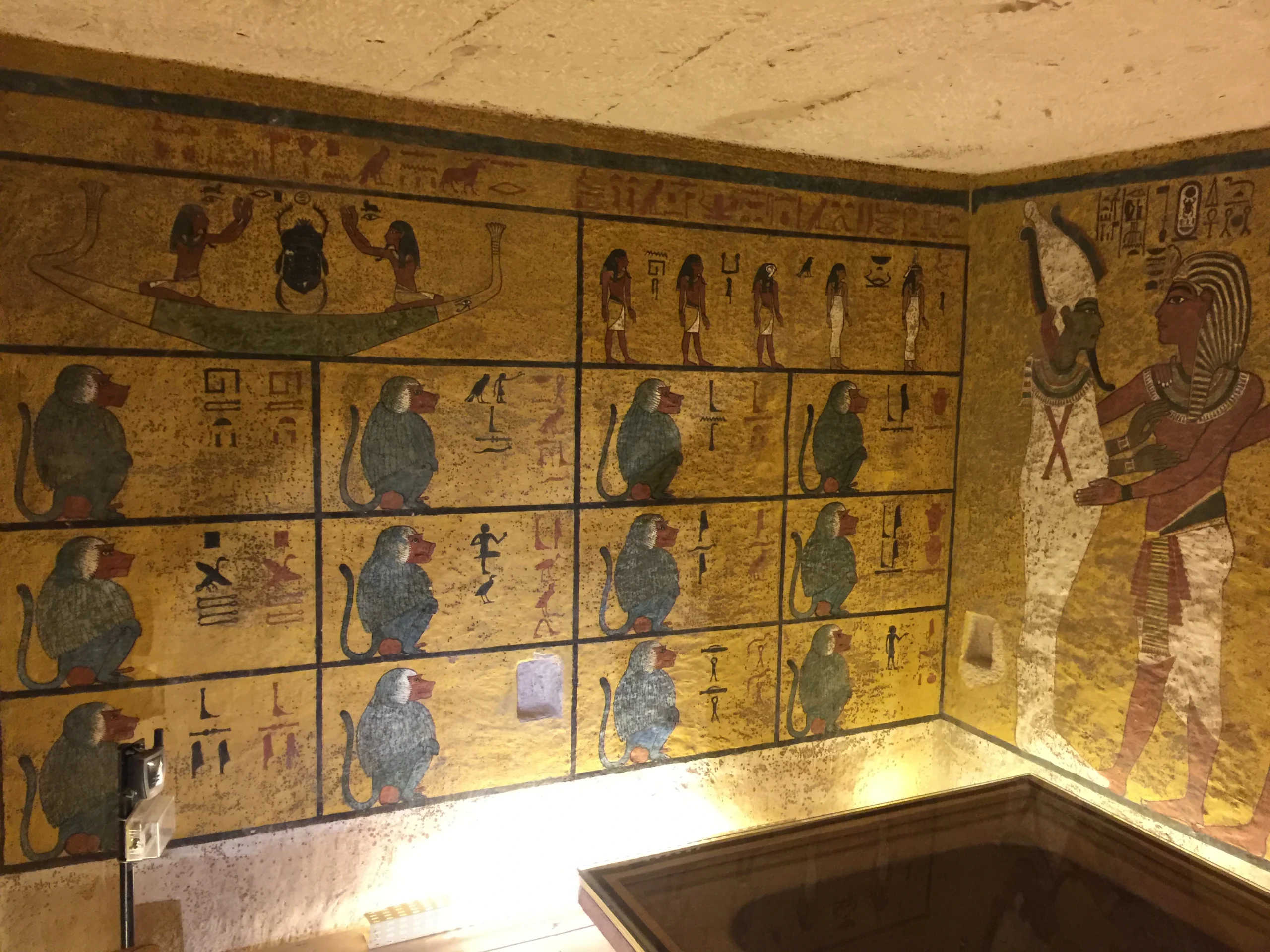
Ancient Egyptian priestly institutions provide one of the earliest and clearest illustrations. The Pharaoh occupied a position of enormous formal authority, yet that authority was embedded within a religious and ritual system controlled by a specialized priestly class. Mythology, temple ritual, and carefully managed experiences around the ruler served to define the Pharaoh’s role, limit independent action, and align the ruler’s self-understanding with the continuity of the sacred order.
In this framework, the leader is not merely advised or constrained from the outside. The leader’s inner world is organized so that deviation from the expected pattern feels like a violation of cosmic or personal integrity. Mythology supplies the narrative. Ritual supplies the experiential reinforcement. Over time, the combination can produce a form of loyalty that is deeper and more stable than fear or material reward alone.
Similar structural patterns appear in other high-control elite environments. The precise techniques vary across cultures and centuries. The underlying logic remains consistent: control the inner narrative and emotional associations of key individuals, and external control becomes far more efficient. The psychology of evil is, at its core, the conversion of external requirements into internal necessity.
The Broader Pattern of Psychological Advantage
Once a group develops reliable methods for shaping the inner world of leaders, several reinforcing advantages appear.
First, accountability becomes more difficult. A leader whose deepest commitments have been aligned with the group may not experience conflict between personal interest and group interest in the usual way. External observers see formal authority. They do not easily see the internal architecture that guides its use. Decisions that serve the network can appear to the public as the natural expression of the leader’s own judgment.
Second, continuity improves. When successive leaders are shaped by similar processes, the network can maintain strategic direction across individual reigns or administrations. Personality differences matter less when the underlying identity framework remains constant. The group does not need to renegotiate fundamentals with every new occupant of the visible office.
Third, the group gains resilience against external pressure. Leaders who have internalized the group’s narrative are less likely to defect under stress or to be turned by competing incentives. Their loyalty is not only calculated; it is experiential. This makes the network more stable during crises.
Fourth, the system can operate with reduced visible coercion. When the desired behavior feels natural or necessary to the individual, overt force becomes less necessary. This reduces the political and moral costs of maintaining control and makes the arrangement more sustainable over long periods.
These advantages help explain why closed networks that invest in psychological and ritual techniques often outlast more purely coercive or transactional forms of power. The psychology of evil, understood structurally, is a method of reducing the friction between individual will and group purpose until the two appear to coincide.
Historical Parallels
The pattern appears in multiple historical settings, each revealing different aspects of the same underlying approach.
In ancient Egypt, the institution of kingship was inseparable from a complex religious system administered by temple priesthoods. The Pharaoh was presented as a divine or semi-divine figure whose proper function was to maintain cosmic order, or ma’at. Ritual performances, mythological education, and the careful management of the royal environment reinforced this identity from an early age. The practical effect was that the highest political authority operated within parameters defined and sustained by a specialized closed group. Formal power and psychological framing were tightly linked. The ruler’s sense of legitimate action was shaped by narratives and experiences that the priesthood controlled. This arrangement helped the system maintain continuity across dynastic changes and periods of external pressure.
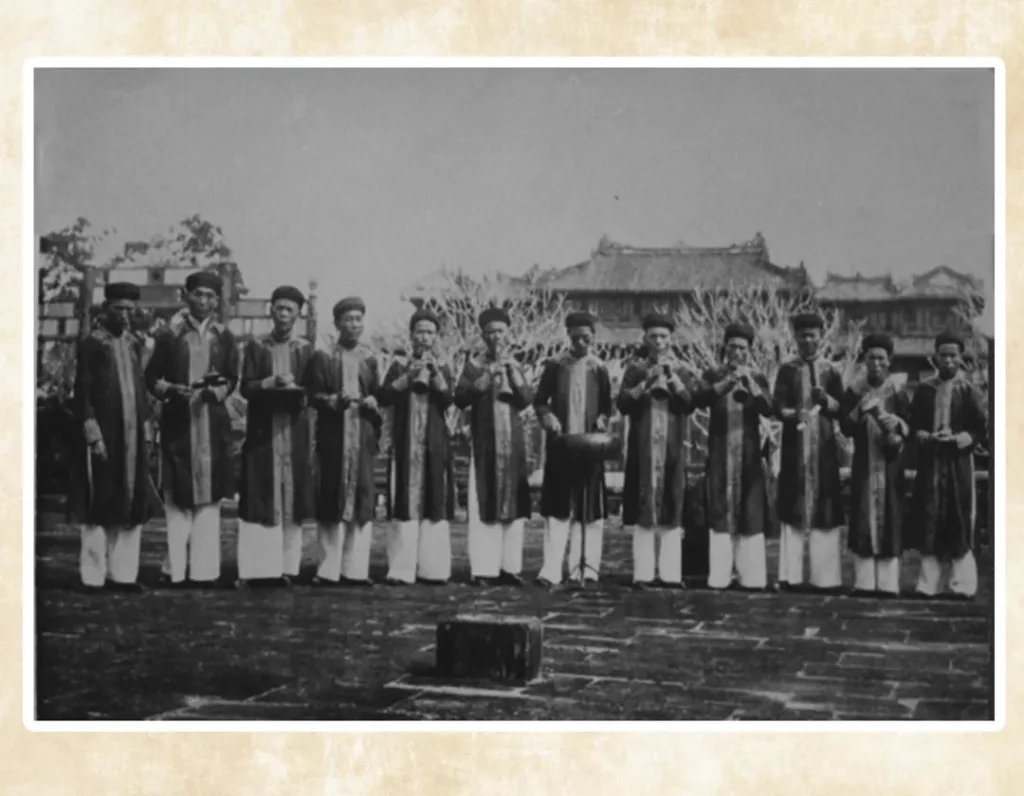
In certain periods of imperial China, the education and ritual formation of the emperor and high officials followed elaborate Confucian and sometimes more esoteric protocols. The ruler’s self-conception was shaped through classical texts, ceremonial duties, and the continuous presence of advisors who embodied the tradition. While less overtly mystical than the Egyptian case, the system still worked to align the inner sense of legitimate authority with a specific intellectual and moral order controlled by a scholarly elite. The examination system, court ritual, and classical curriculum together created a formative environment in which the proper exercise of power was experienced as the expression of cultivated virtue rather than raw will. Deviation could feel like a failure of character as much as a political error.
In early modern European courts and later in certain initiatory, military, or intelligence-related environments, structured experiences, hierarchical bonding, and carefully managed narratives were used to produce intense loyalty among select individuals. Court etiquette, patronage systems, and shared secret knowledge created environments in which identity and belonging were tightly linked to the closed circle. In more specialized settings, deliberate psychological techniques and controlled environments were employed to deepen identification and reduce the likelihood of independent defection. The methods differed from ancient temple systems, yet the goal remained similar: to create decision-makers whose deepest identification lay with the closed group rather than with open institutional or public accountability.
Across these cases the cultural forms vary widely. The structural ambition is consistent—to reach inside the psychological life of those who hold visible power and organize it in favor of a less visible network. The psychology of evil is the name for this recurring ambition when it is pursued systematically.
Why the Psychology of Evil Persists
This approach persists because it solves a recurring problem of power: how to ensure that those who occupy high positions remain reliable over long periods and under changing conditions.
Material incentives can be outweighed by larger offers from competing centers of power. Fear can provoke resistance, paralysis, or collapse under extreme pressure. Ideological commitment can shift when circumstances change or when new information undermines the original narrative. Psychological formation that reaches identity and memory is more difficult to reverse. Once an individual’s sense of self has been organized around service to the group, alternative paths feel less available and more costly.
The psychology of evil also persists because it is difficult to detect and still more difficult to counteract from the outside. Observers see the public actions of leaders. They rarely see the formative experiences, ritual frameworks, or narrative environments that shaped those leaders. As a result, the technique remains available to groups that possess the continuity, secrecy, and expertise required to apply it. Public institutions that focus only on formal rules and visible incentives often miss this deeper layer of influence.
In periods of institutional weakness or rapid social change, the relative value of such methods increases. When open institutions lose the capacity to produce reliable leadership through transparent processes, closed networks that can shape individuals internally gain a further advantage. The demand for trustworthy agents rises precisely when ordinary sources of trust are declining. Networks that have already invested in psychological formation are well positioned to meet that demand.
Finally, the technique persists because it scales across generations. Once a group has developed effective formative practices, it can apply them to successive cohorts of potential leaders. The knowledge and institutional capacity become part of the network’s inherited toolkit. This intergenerational transmission turns a temporary advantage into a durable structural feature.
The Path Toward Deepened Control

When psychological techniques are successfully institutionalized, they tend to expand in scope and refinement. Early forms may rely heavily on mythology and public ritual. Later forms can incorporate more precise understandings of memory, emotional conditioning, identity formation, and the management of dissociation or compartmentalization.
The path typically moves from external constraint to internal alignment. At early stages, the group may still need to monitor and correct the leader’s behavior through advisors, rituals, or direct intervention. At later stages, the leader’s own psychological structure performs much of that monitoring. The need for continuous external intervention declines, while the reliability of the outcome increases. The individual experiences the desired orientation as their own.
This deepening creates a distinctive form of power. The visible office remains. The public rituals of authority continue. Yet the decisive influences on perception, loyalty, and long-term orientation lie elsewhere. The leader may genuinely believe they are acting freely and according to their own judgment. From the perspective of the shaping network, the alignment is the product of prior formation.
Societies that lack strong traditions of psychological independence, open inquiry, and institutional checks are more vulnerable to this form of influence. Societies that cultivate those capacities—through education that encourages critical self-reflection, through institutional designs that prevent any single network from monopolizing the formation of leaders, and through cultural norms that value intellectual and emotional autonomy—make it harder for any closed group to achieve deep and lasting psychological control.
The endpoint of the path is not necessarily a single omnipotent controller. It is a situation in which the most consequential decision-makers have been formed in environments that the wider society neither fully understands nor effectively oversees. At that point, formal accountability mechanisms continue to operate on the surface while the deeper sources of orientation remain private.
Connecting the Threads
The psychology of evil completes several earlier lines of analysis.
Closed elite networks, examined in the discussion of how evil triumphs, require more than organizational cohesion and secrecy. They require methods for ensuring that key individuals remain aligned over time. Psychological formation supplies one of the most effective methods available. Without it, even the best-organized network remains vulnerable to the independent will of its most powerful members.
The birth of evil described how dualistic cosmologies provide intellectual legitimacy for closed groups. The psychology of evil shows how those cosmologies can be made experientially real through ritual and identity-shaping practices. Mythology supplies the narrative frame; psychological technique supplies the lived experience that makes the narrative feel true. The two reinforce each other.
The broader frameworks of how societies collapse and gerontocracy describe conditions in which open institutions weaken and intergenerational trust declines. In such environments, networks that can reliably shape the inner commitments of leaders become more consequential. When public trust erodes, the relative power of groups that can manufacture private loyalty increases.
Understanding how real power works clarifies why control over the psychological formation of decision-makers is itself a major form of power. Visible authority is only one layer. The capacity to shape the inner conditions under which that authority is exercised is often the more decisive layer.
Understanding how real power works clarifies why control over the psychological formation of decision-makers is itself a major form of power.
Together these analyses show that durable concentrated power operates simultaneously on organizational, ideological, demographic, and psychological levels. Neglecting any one of these dimensions leaves the picture of how power maintains itself incomplete.
Practical Observations
Several signals indicate the presence of psychologically informed elite control:
- The existence of highly structured formative experiences for future leaders that remain opaque to the wider public
- The embedding of political authority within elaborate ritual or mythological systems controlled by a specialized group
- Unusual continuity of strategic orientation across successive individual leaders despite changes in formal ideology or public rhetoric
- Difficulty in explaining major decisions through ordinary institutional, electoral, or material incentives alone
- The presence of closed environments in which identity, memory, and loyalty appear to be deliberately managed over long periods
Societies that maintain open pathways into leadership, strong norms of psychological autonomy, transparent formative institutions, and genuine competition among elite groups tend to limit the reach of any single network’s psychological influence. Those that allow the inner formation of leaders to become the private domain of a closed circle create more favorable conditions for the psychology of evil to operate at scale.
The core insight is structural. The psychology of evil refers to the capacity of closed groups to shape the inner world of those who hold visible power so that external control becomes less necessary and less visible. When this capacity is developed, refined, and transmitted across generations, it becomes one of the most durable instruments of concentrated influence. Recognizing its historical patterns and contemporary signals is essential to understanding how power actually maintains itself beneath the surface of formal institutions.
This article is an original analysis inspired by Professor Jiang’s lecture Secret History #6: The Psychology of Evil. The structure, explanations, and historical examples are independently written. Original lecture: https://www.youtube.com/watch?v=6PdfD44DkqA