Will the US Attack Iran After the Midterms? What 1968, 1972 and 1990 Say

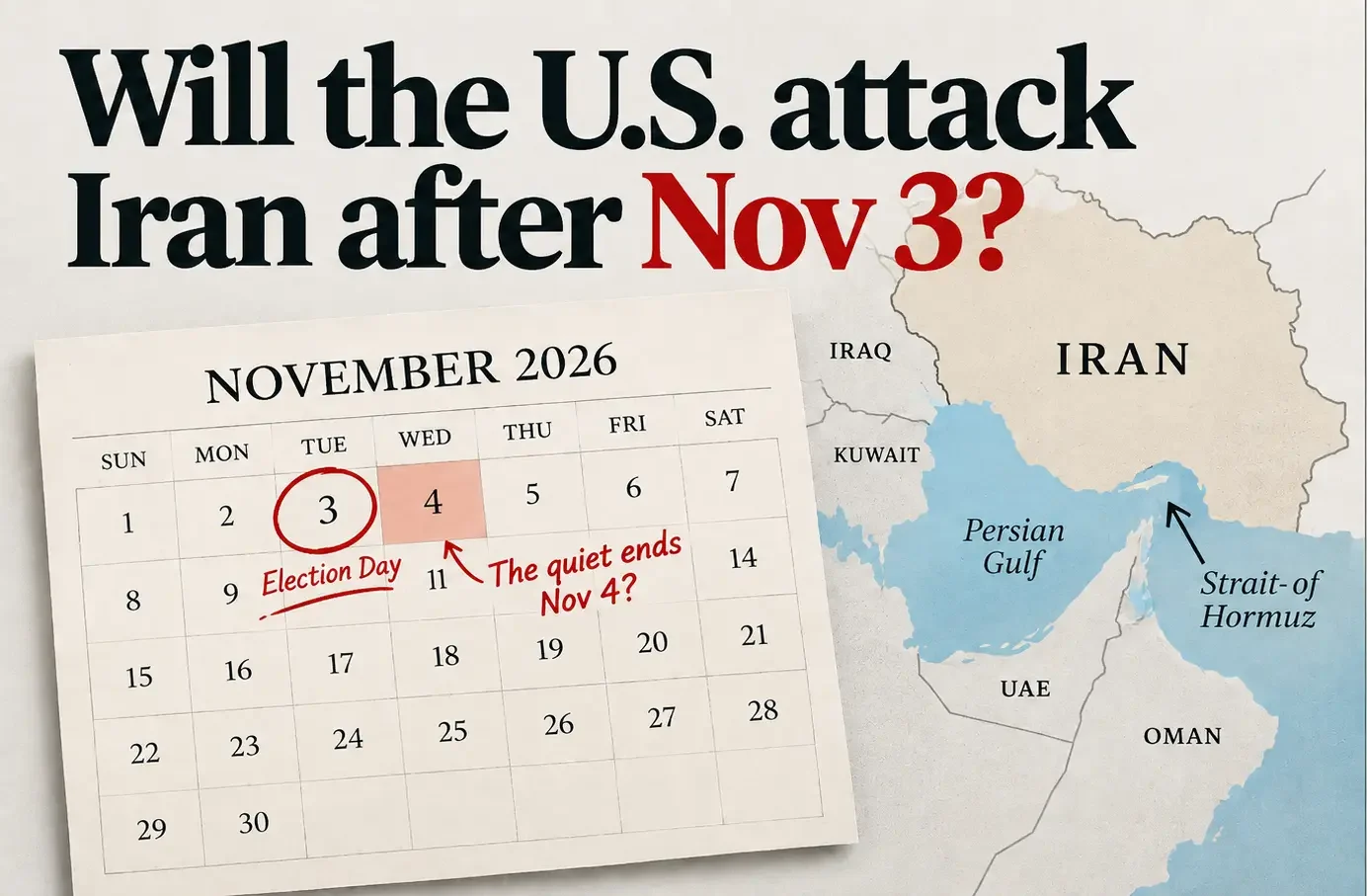
November 2026 calendar highlighting Election Day on November 3 and November 4, with Iran and the Strait of Hormuz map

By Armaan Shaikh · Published October 17, 2026 · 4 min read THE CALL The US will conduct at least one military strike on targets inside Iranian territory between Nov 4 and Dec 31, 2026. Resolves: 31st Dec 2026 Source: U.S. Department of Defense (CENTCOM) / Associated Press (AP) / Reuters See the prediction scoreboard … Read more

Why the Steppes Kept Beating Civilization

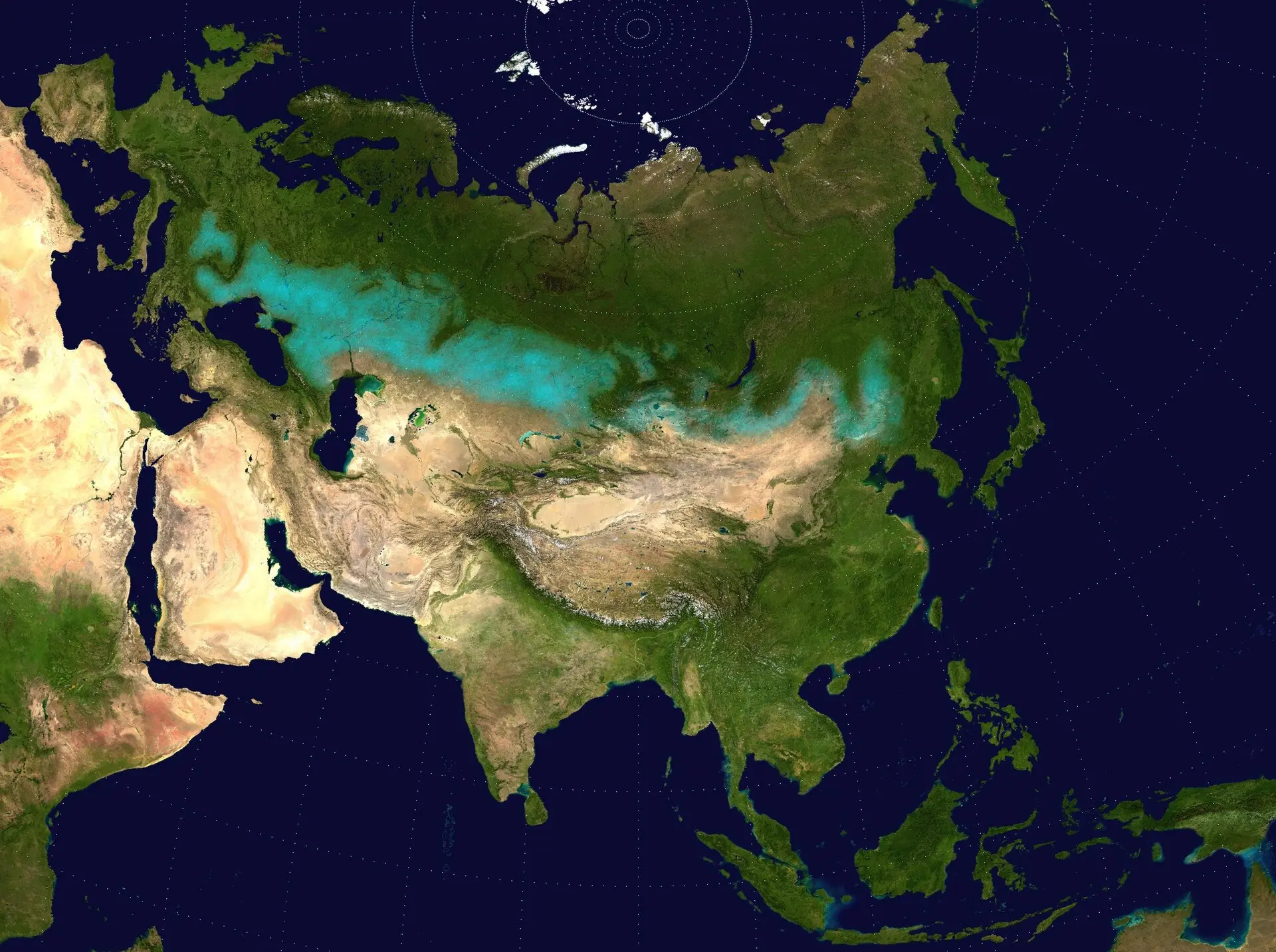
Open Eurasian steppe landscape showing the mobile pastoral environment

Settled civilizations keep losing to people they call barbarians. This is not a rare accident. From the Yamnaya expansions into Europe and South Asia, through successive Iranian, Turkic, and Mongol waves, mobile pastoral societies have repeatedly overrun denser, more hierarchical agricultural systems that possessed writing, monumental architecture, and elaborate bureaucracies. If civilization is defined by … Read more

Mandate of Heaven: How Early Civilizations Turned Sacred Imagination into Hierarchy

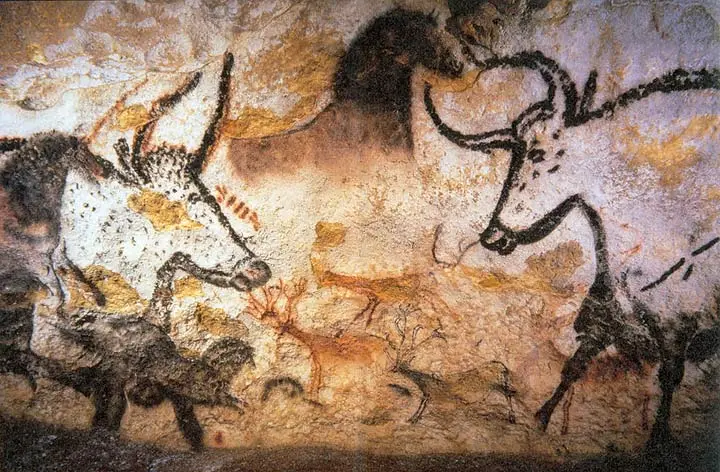
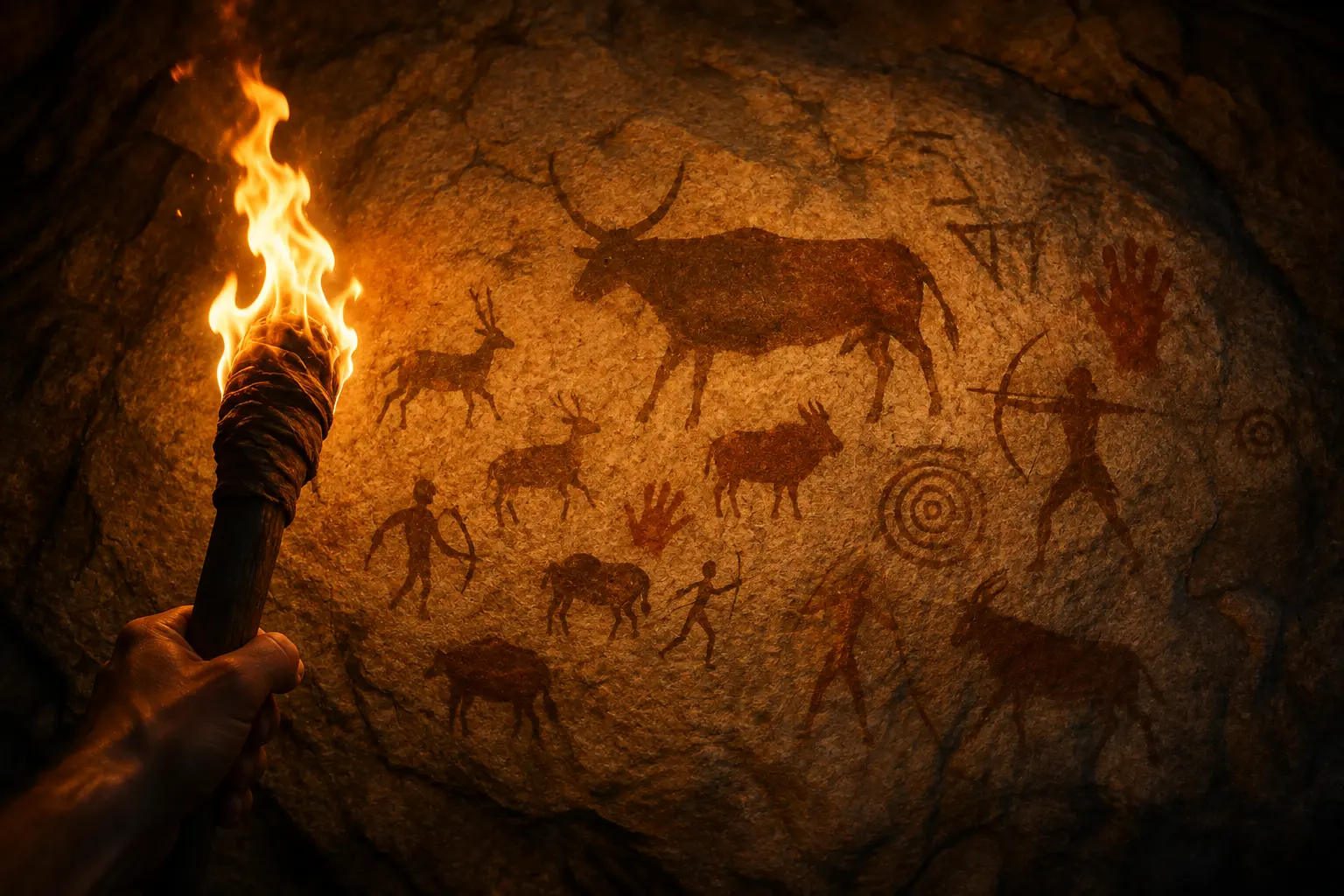
Lascaux Cave Paleolithic paintings showing early human religious and artistic imagination

The conventional story of civilization is almost exactly backwards. We are told that hungry hunter-gatherers discovered farming, produced a surplus, freed an elite from labor, and that this elite then invented religion, art, science, writing, and law. Hierarchy came first; meaning followed as its servant. The evidence from the earliest urban societies does not support … Read more

Heaven on Earth: How Shared Vision Built the First Monuments

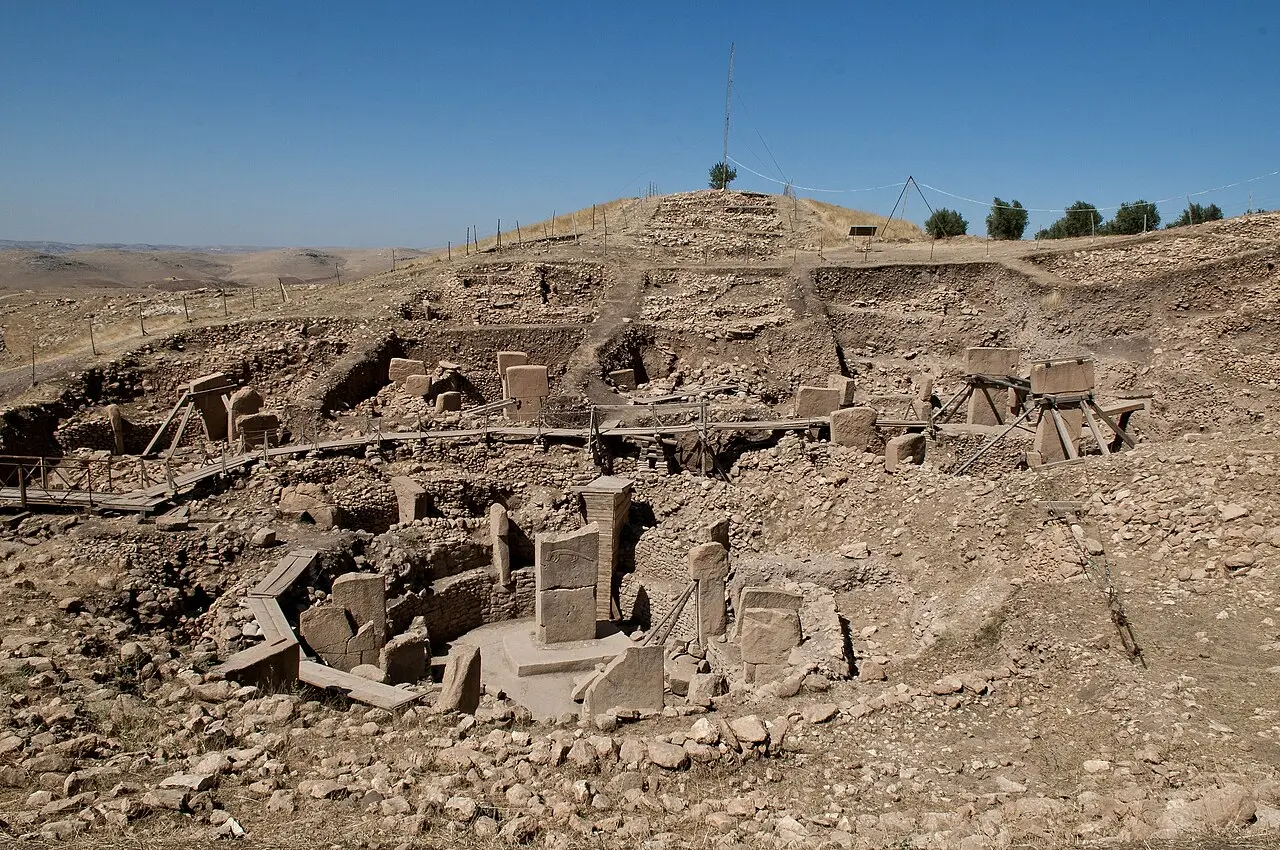
Heaven on earth early monumental sites built by shared vision

Most people are taught a simple sequence. Humans learned to farm. Farming created surplus. Surplus allowed specialists. Specialists built monuments. The story feels practical and orderly. It places survival and economics first. The evidence from the earliest monumental sites does not fit this sequence cleanly. Some of the most ambitious constructions appear before intensive farming, … Read more

Dawn of the Human Imagination: What Made Us Different

Dawn of the human imagination — early humans treating the unseen as real

Most accounts of human origins tell a survival story. Bigger brains. Better tools. Better hunting. These things happened. They are not the real break. Something far stranger appeared. Early humans began treating the invisible as real. They buried their dead with care. They painted in dangerous, pitch-black caves. They performed rituals that had no practical … Read more

The Conspiracy of Evil: How Official Stories Are Protected

The conspiracy of evil — how official stories of major events are protected

Certain events become fixed points in public memory. A president is killed. A nation lands on the moon. Buildings fall in a single morning. In each case an official account is established quickly and then defended with remarkable consistency. Over time, questioning the completeness of that account becomes socially and professionally costly. The story hardens … Read more

The Theory of Everything: Who Controls the Story of Reality

The theory of everything — who controls the basic story of reality

Most people never question the basic story they were given about reality. The universe began with a Big Bang. Life emerged through random mutation and natural selection. Consciousness is a product of the brain. These claims are presented as settled science, the neutral background against which everything else happens. But a story about the origin … Read more

Death by Bureaucracy: How Systems Quietly Kill Initiative

Death by bureaucracy — when rules and procedures slowly replace human judgment and initiative

Death by bureaucracy does not announce itself. It does not arrive with crisis or open failure. It arrives through forms, approvals, metrics, compliance trainings, and the quiet transfer of responsibility from people to procedures. One day decisions are made by judgment. Later they are made by process. Eventually the process becomes more important than the … Read more

Death by Meritocracy: How the “Fairness” Machine Destroys Its Own

Death by meritocracy begins with years of extreme selective pressure on the young.

Death by meritocracy does not arrive with open violence. It arrives wearing the language of fairness, talent, and open competition. It tells the ambitious young that the highest positions belong to those who prove themselves through measured excellence. Then it subjects them to a process so selective, so psychologically demanding, and so tightly controlled that … Read more