
How Real Power Works – Explained Simply
Most people picture power as something visible: armies, politicians, billionaires, or large institutions. That picture is incomplete.
Real power is quieter and more fundamental. It is the ability to turn almost nothing into something that large numbers of people treat as valuable, legitimate, or true. In that sense, power functions like alchemy — the old dream of transforming base material into gold.
This idea sits at the heart of Professor Jiang’s first lecture in the Secret History series. The explanation that follows is an original breakdown of that core insight, expanded with historical examples and clearer structure so the mechanism becomes easy to see.
How Real Power Works in Practice
Every stable system of power rests on acceptance. People must believe that certain pieces of paper are money, that certain borders define a nation, that certain titles carry authority, or that a particular version of history is the correct one.
When enough people accept these things, the system functions. When acceptance collapses, the system weakens or fails — often faster than expected.
This is why control over belief and narrative has always been more durable than control through pure force. Force is expensive and visible. Belief, once established, can run for generations with far less effort.
The Clearest Modern Example: Money
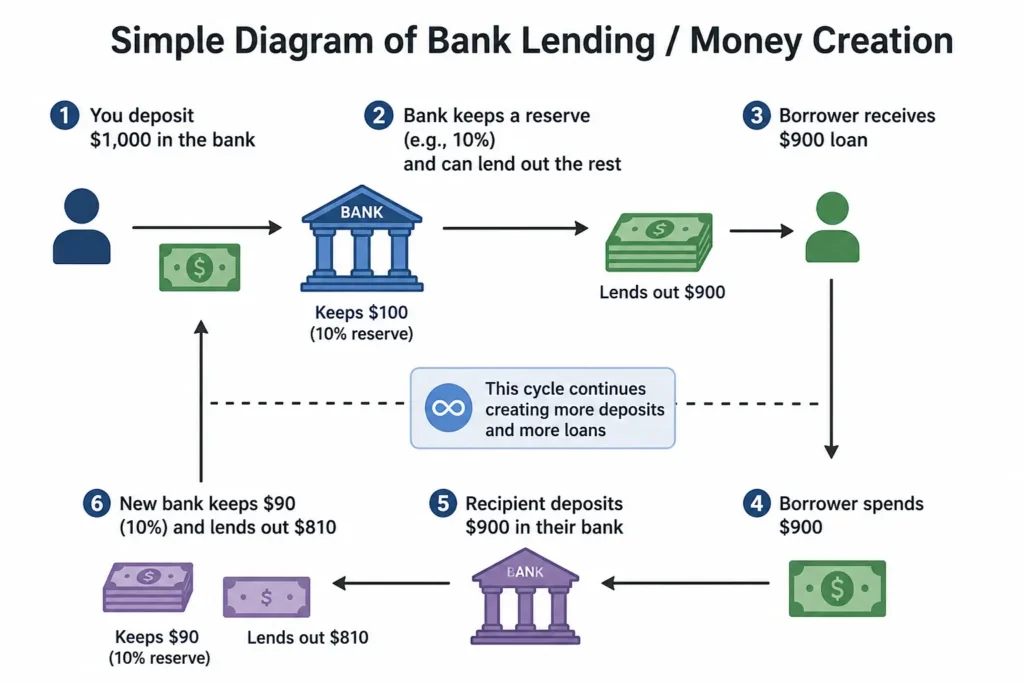
Money is the purest illustration of power as alchemy.
In a basic banking system, deposits are received and loans are issued. The important point is that the act of lending does not simply move existing money from one account to another. New purchasing power is created in the form of credit. The total money supply expands.
This process is known as fractional-reserve banking. Banks are not required to keep every unit of currency they receive sitting idle in a vault. They keep a fraction and lend the rest. The result is that money is effectively created through the lending process itself.
The system works only because people accept the new credit as real money. That acceptance is the alchemical step: a ledger entry and a promise become the means to buy land, labor, and goods.
Historical record shows this mechanism has been used repeatedly to finance large projects, wars, and economic expansion. It has also repeatedly produced crises when the expansion of credit outran the real productive capacity of the economy or when public trust eroded.
Historical Pattern 1: Paper Money in Imperial China
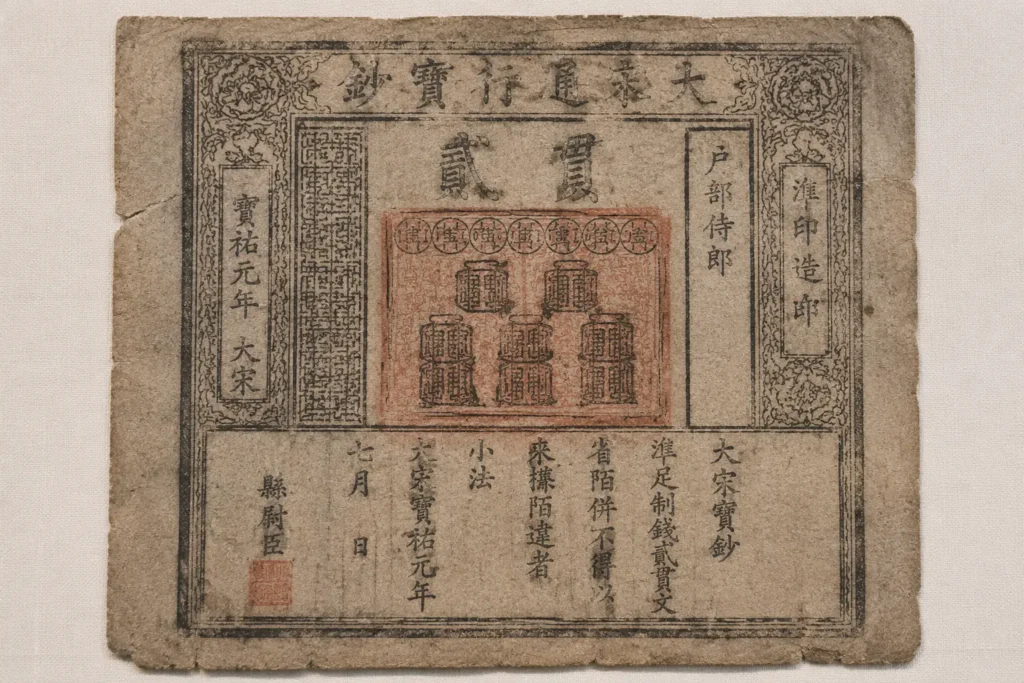
How real power works in that case China is the perfect example they developed paper money on a large scale during the Song dynasty (10th–13th centuries). What began as a practical solution to the shortage of copper coins gradually became a tool of state finance.
As the government faced military and administrative costs, more notes were issued. At first the system functioned. Over time the volume of paper exceeded what the economy could support. Prices rose, confidence fell, and the currency lost value. Later dynasties repeated versions of the same cycle.
The lesson is straightforward. The power to create money from paper (or digital entries) is real and potent. It remains effective only as long as people continue to treat the paper as valuable. When belief breaks, the alchemy stops working.
Historical Pattern 2: The Shift Away from Gold
For much of modern European and American history, currencies were linked in some way to gold or silver. This link imposed a hard limit on how much money could be created.
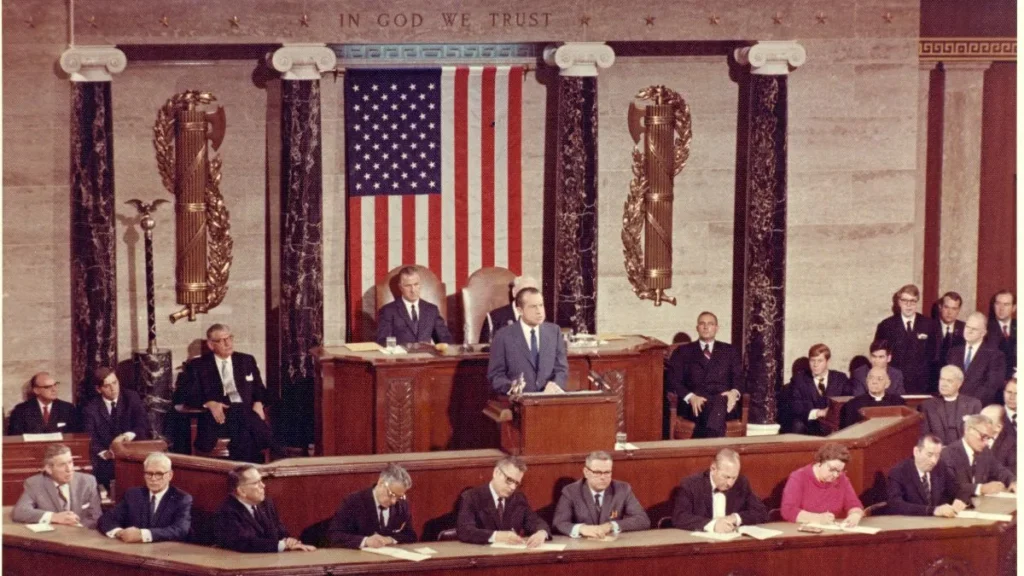
In 1971 the United States ended the convertibility of the dollar into gold for foreign governments. From that point the dollar became a pure fiat currency — its value rested on institutional authority, economic size, and collective acceptance rather than on a fixed physical anchor.
This change gave governments and central banks far greater flexibility to expand the money supply during crises, wars, and recessions. It also placed even more weight on the maintenance of trust. The system has proven remarkably durable, yet it remains dependent on the same underlying mechanism: widespread acceptance of something that has no intrinsic physical value.
Historical Pattern 3: Shared Fictions That Organize Societies
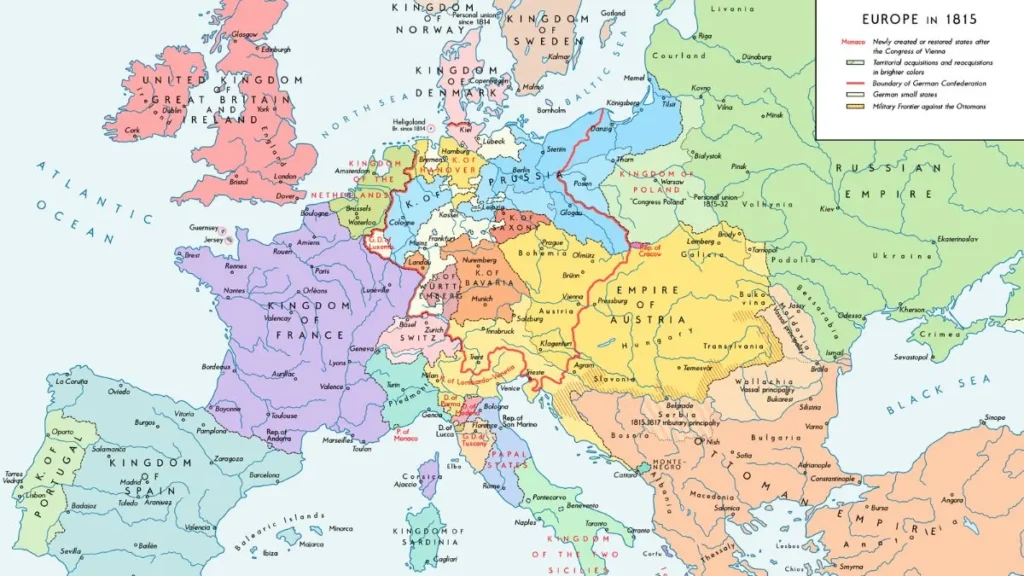
Money is only one example. Many of the most powerful organizing ideas in history have been collective beliefs rather than physical facts.
- Roman citizenship conferred legal rights and status that existed because the Roman state and its subjects treated them as real.
- The divine right of kings allowed monarchs to claim authority derived from God. The claim worked while people accepted the religious and political framework that supported it.
- The modern nation-state itself is a powerful shared idea. Borders, passports, and national identity function because enough people agree they are legitimate.
In each case, those who could shape or maintain the prevailing belief held significant power. When the belief system fractured — through military defeat, economic collapse, or cultural shift — the political structure usually followed.
Why Official History Often Feels Incomplete
If power operates partly by shaping what people accept as true, then the version of history taught in schools is rarely neutral. It tends to emphasize certain events, heroes, and interpretations while downplaying others.
A more useful approach is to examine current geopolitical events with the question: “What system of money, status, or authority benefits from this narrative?” Patterns that appear in the present can then be tested against earlier periods. Where the patterns hold, they offer a clearer view of how power has actually operated across time.
This method does not require rejecting every established historical fact. It simply treats official narratives with the same skepticism one would apply to any other claim made by people who hold power.
Practical Takeaways

- How real power works is less about visible force and more about the capacity to make large numbers of people accept something as valuable or true.
- Money creation is one of the strongest modern demonstrations of this process.
- Belief systems — about currency, nations, hierarchy, and history — are the foundation on which durable power rests.
- Once the pattern is visible, it becomes harder for any single story to dominate how you interpret events.
- Studying present conflicts and financial systems with this lens can reveal recurring mechanisms that also operated in the past.
Understanding how power works does not automatically give an individual more of it. It does, however, reduce the chance of being permanently trapped inside someone else’s version of reality.
This article is an original analysis inspired by Professor Jiang’s lecture “Secret History #1: How Power Works.” The structure, explanations, and historical examples are independently written. The original lecture can be watched here: https://www.youtube.com/watch?v=ajFXykT9Joo